To “Hinagiku,”
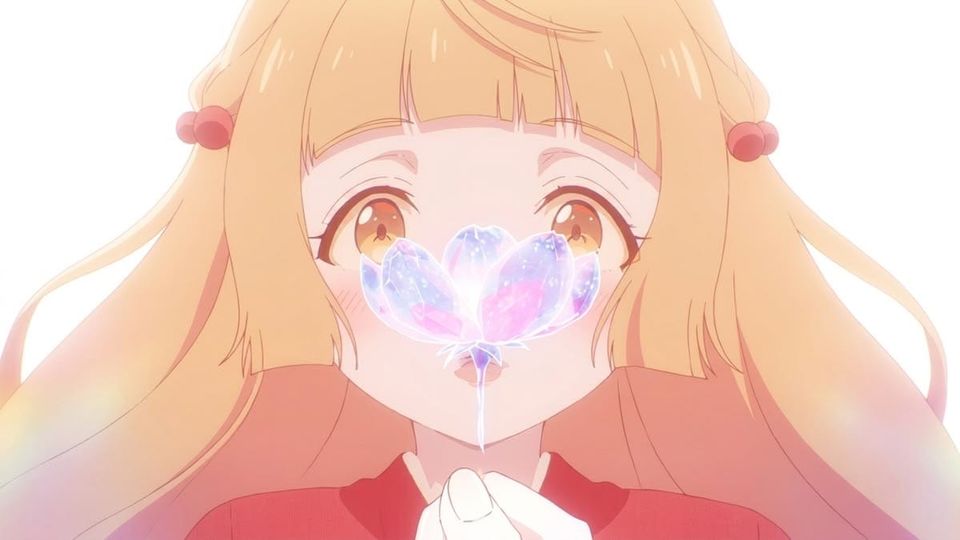
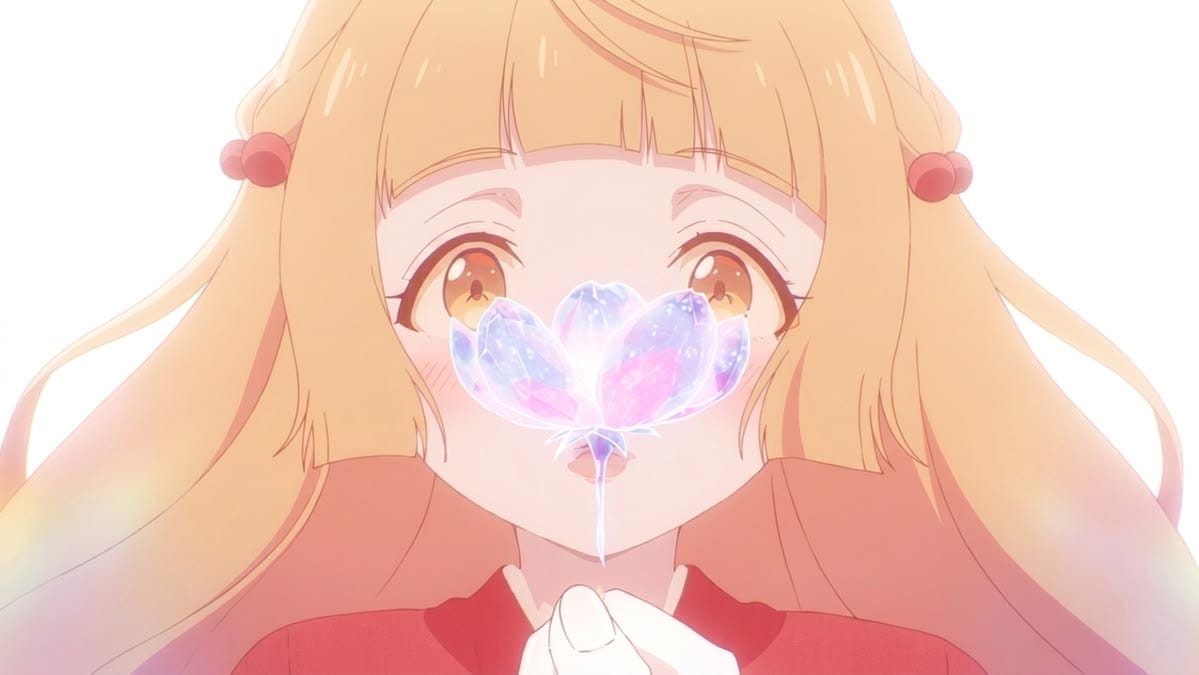
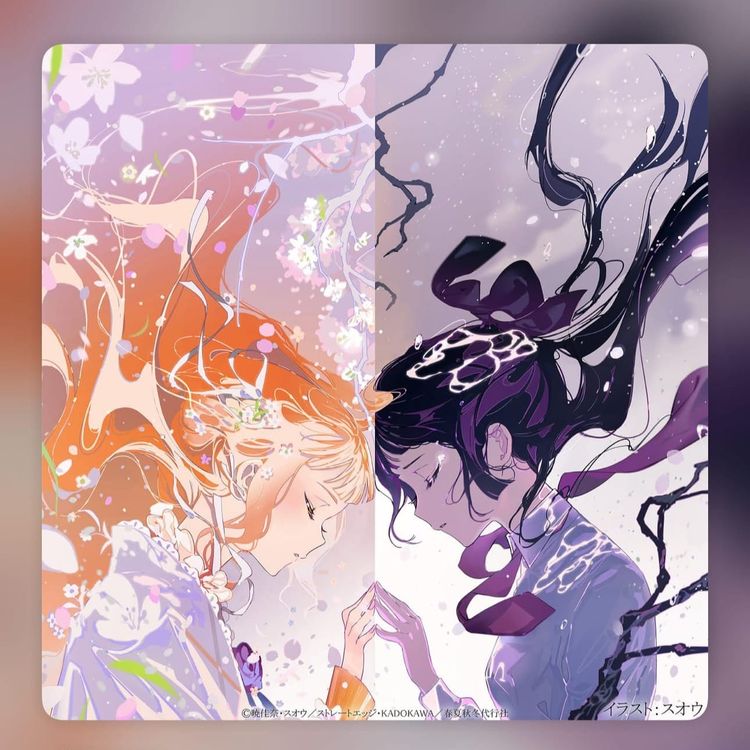
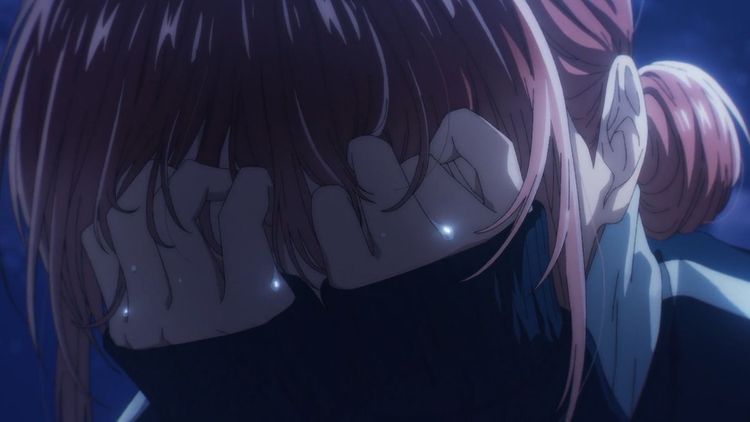
Watching episode 10 of the agents of the four seasons, without revealing spoilers, “Hinagiku” shares a monologue with "Sakura" at the end of the episode that deeply resonates for this survivor, and I’m sure for many other survivors who have been treated, told and convinced not only do they serve no purpose, they deserve to perish.
Before being enthralled into the world of “the agents of the four seasons: spring dance”, this essay was originally focused on what not functioning signals in a society that allows a global pandemic and multiple ongoing genocides in their third, fourth year—where there are countries suffering for centuries due to colonial powers exploiting indigenous peoples and lands.
Held in captivity and away for 10 years before resurfacing, “Hinagiku” is described as broken. She’s no longer the “Hinagiku” that people once knew. Her village knew she was alive, stopped searching for her, waiting for her to die even though no one new emerged.
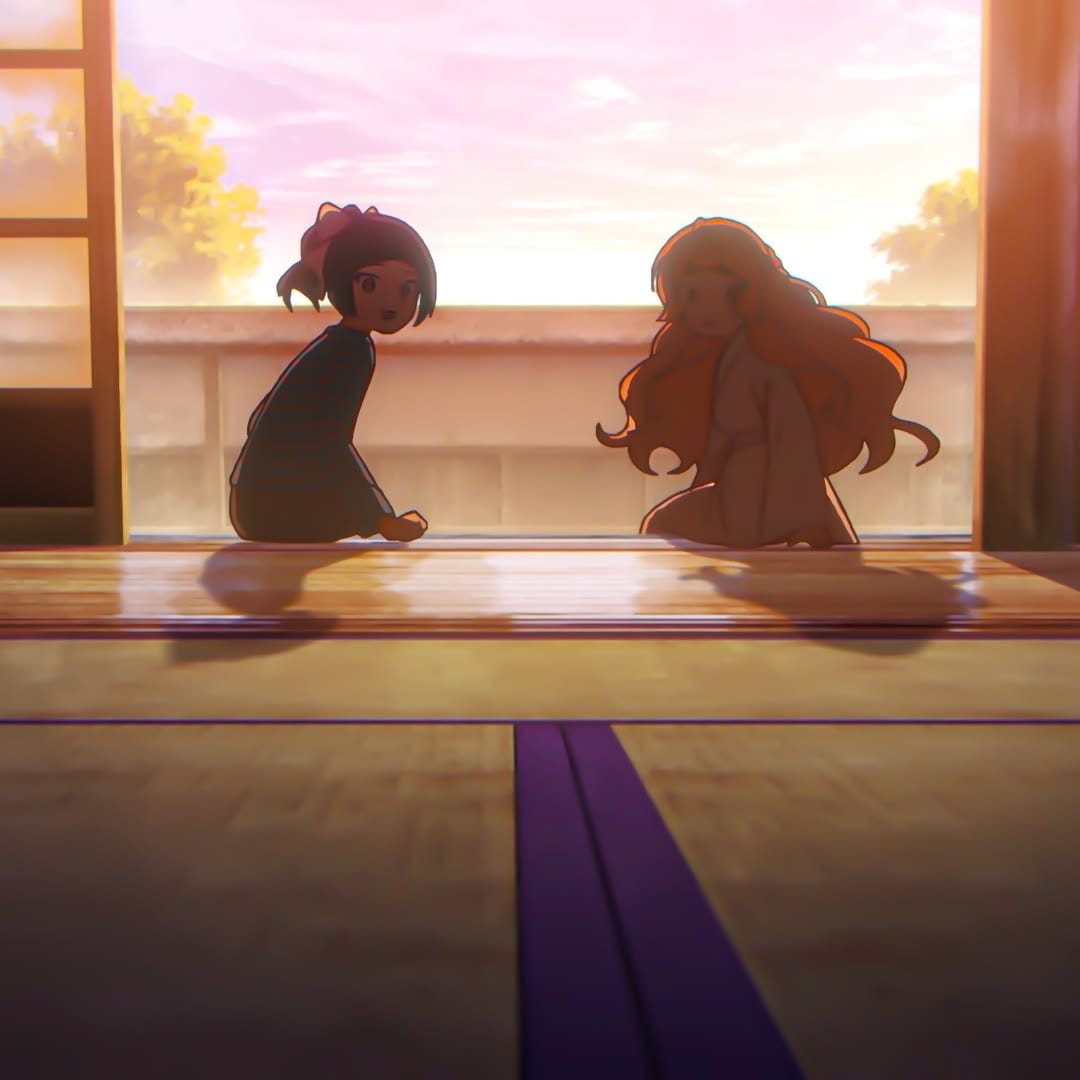
Through her journey summoning Spring from place to place, she learns how much she is wanted and needed by those she encounters: regular people from the villages, “Sakura“, ”Rosei“ and ”Itecho,” the summer agent and her sister, and recently, the autumn retainer and his team.
There is a valid argument that our day to day cannot continue as the truth unravels that behind our comfort and convenience and structure of our daily living comes at the cost of countless lives of those in the global south.
“Hinagiku’s” monologue both intrigued and saddened me for the following reasons: as an agent of the spring, she was held captive for 10 years where her own village did not want to look for her. She was consistently told and treated as if she should die, that no one wanted her around when we see throughout the series that couldn’t be furthest from the truth.
Her desire to stay alive, is to serve a purpose, a function, even if that belief that she shouldn’t exist is still present for her, she wants to be useful. What makes “Hinagiku’s” character so compelling is how loving, caring, gentle and fierce she is.
Who are the first to be targets and die in global genocides? Children, their siblings, their parents, their communities. Whole family lines annihilated. Pandemics—who are the ones rendered invisible as they suffer the highest rates of long covid? Children.
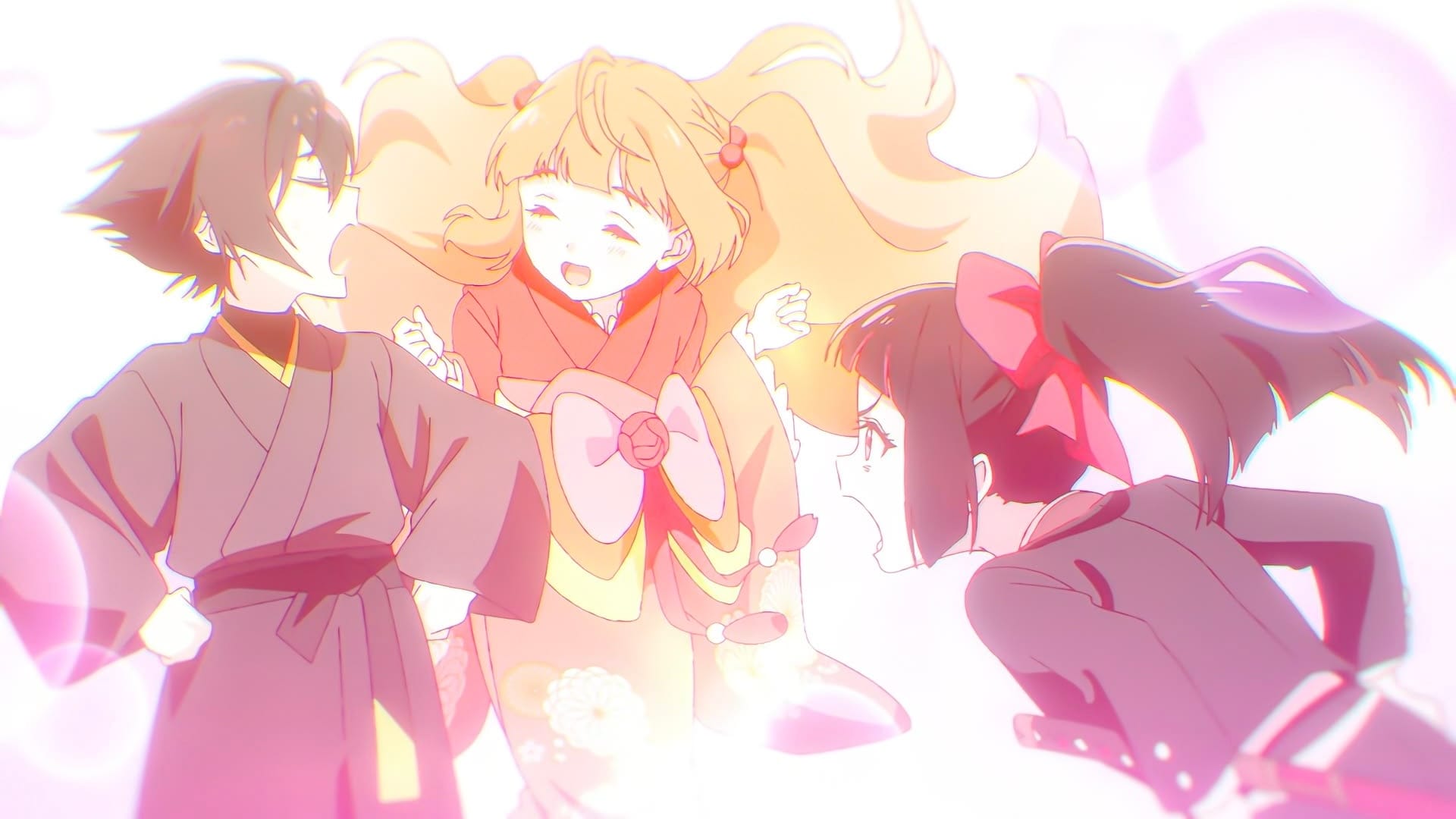
When she was kidnapped 10 years prior, "Hinagiku," “Sakura,“ and ”Rosei“ were also children trying to protect one another. The agents and their retainers serve specific functions:
retainers protect the agents,
the agents bring about seasons until they die and are succeeded by someone who awakens with the power to summon a season. The dynamics of the villages vary, with spring being the most callous to “Hinagiku.”
The villages, specifically the spring village, the head of the agency, the insurgents, operate like the state. Targeting and capturing agents as children, where even though they may have god-like powers, are still children: and in any world like the one we live in: children are an oppressed class at the mercy of adults, institutions, policies, culture and overall society that controls children: when they are no longer productive, functioning, useful or outlive their purpose, they are considered and treated as disposable.
Our interpersonal mirrors our societal structures and systems. When we experience harm from the people in our lives, it reflects the ideologies and praxis of the state: who is worthy, who fulfills purpose, and who is disposable.
Agents of the Four Seasons has more to unravel in upcoming episodes where we’ll figure out what the insurgents want, what their backstory is—honestly, after learning what they did with “Hinagiku” and her powers, it screams exploitation. Whether or not intentional, the world building and characters navigating a cruel world that dances on the edge of death and self sacrifice, draws parallels to the world we’ve been living in, and we currently navigate.
Just as these children choose to live for themselves and those they love to get their poetic justice, it invigorates my belief that we must do the same: live for each other, live for us, regardless if we function, regardless if we’re “broken” for there is a world possible where we all live freely in a liberated world in this life time.
about yas j.
yas j is a multidisciplinary artist and essayist with a focus on lyrical writing. native to nyc, they connect themes like mourning, grief, connection and meaning making through literary and artistic lens that connects to broader systems and society. they are behind iwritelyrically.studio, fierybraxn.com and thewritejordan.co. they also have a patreon for their free writing and paid art at iwritelyrically.com.
Member discussion