
tragedy as a vehicle for meaning-making (anime)
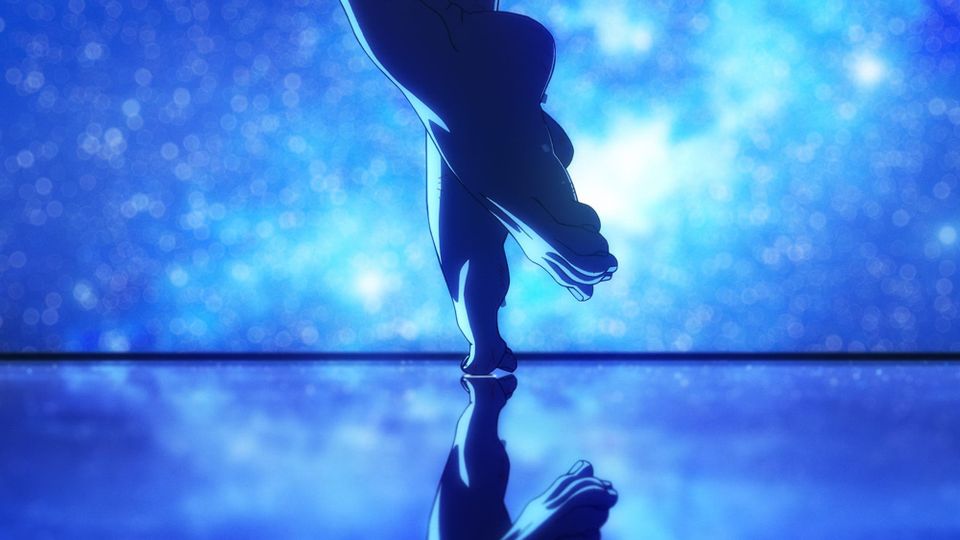
Originally written in 2025, this post looks at Takopi along with other anime like Look Back and Dan Da Dan's first season, specifically episode seven reflecting on themes of loss and tragedy as vehicles for meaning making.
As anime award season voting comes to a close, I share these personal reflections in hopes of sparking our innate nature of curiosity, exploration and critique. As with any art, there's room for interpretation, interrogation, questioning and opportunities for further analysis and depth.
Enjoy.
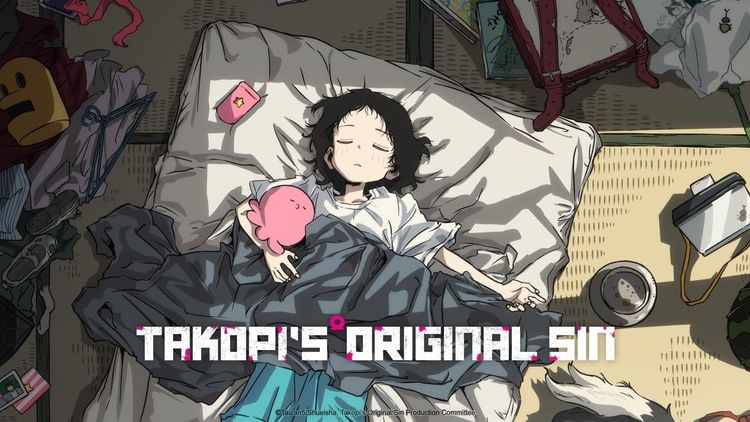
Takopi's Original Sin
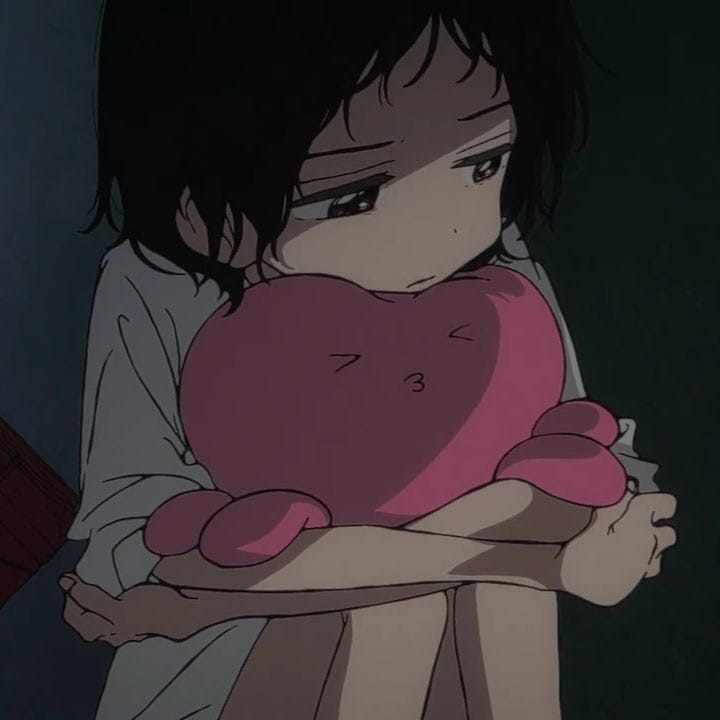
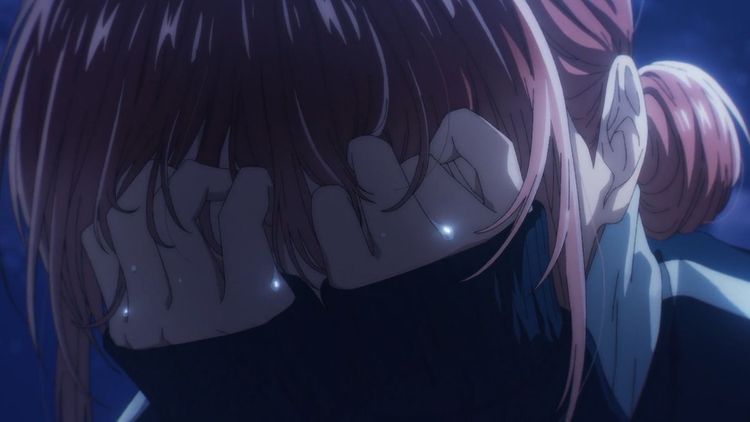
After a night of no sleep, Takopi's finale impact on me was tremendous. There's a monologue in the final episode from Kuze, one of the main characters that resonated. I burst into tears, and was in tears throughout the finale. A profound story, with complex characters with their own compelling story, and of course, the character arc of Takopi is nothing short of brilliant.
The situations, feelings, and despair throughout the story are ones that felt too familiar. As I watched each episode, memories within my body surfaced. Times I felt unsafe, times that could have been life or death, or times where existing felt too much-- the release of each cry, tear, and noise felt like cries for all the past selves could not have. The story connected on a level that all those parts, or versions of me, couldn't feel at those moments, when I wanted to and needed to most.
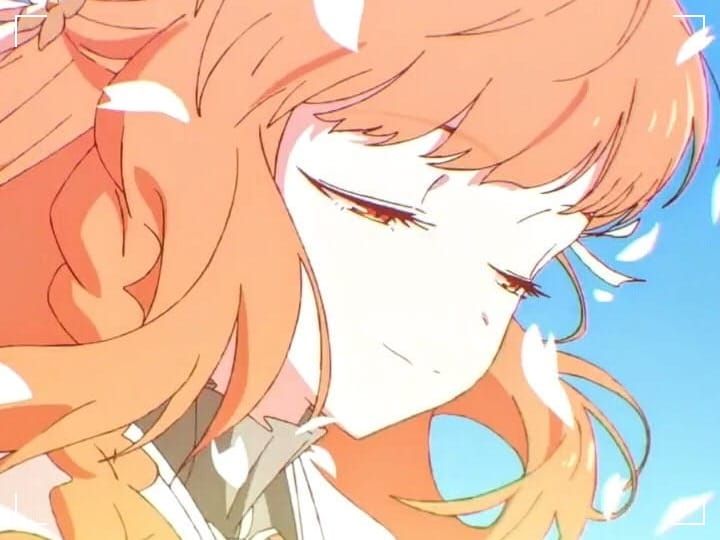
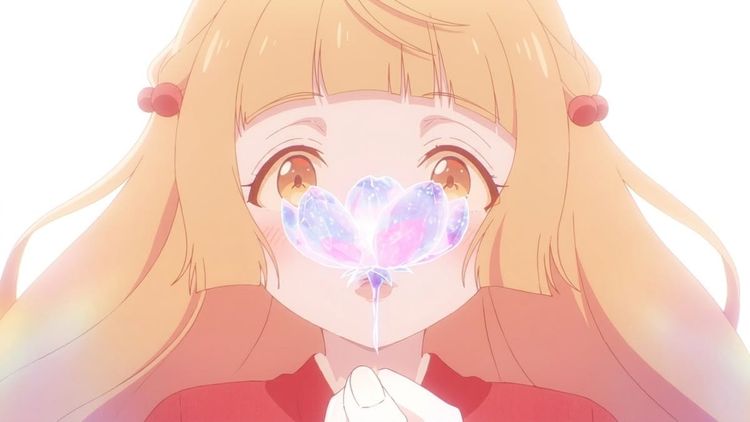
Look Back
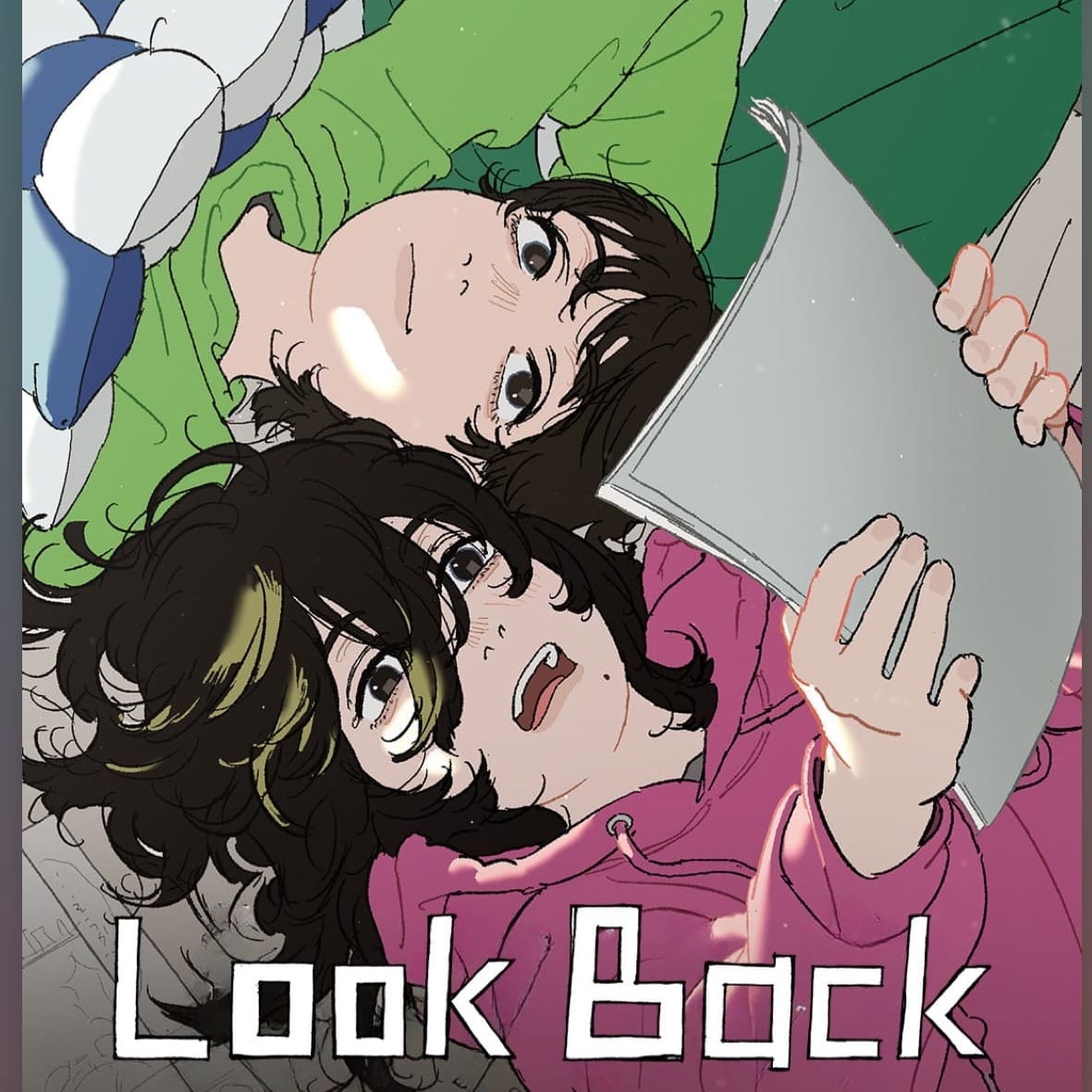
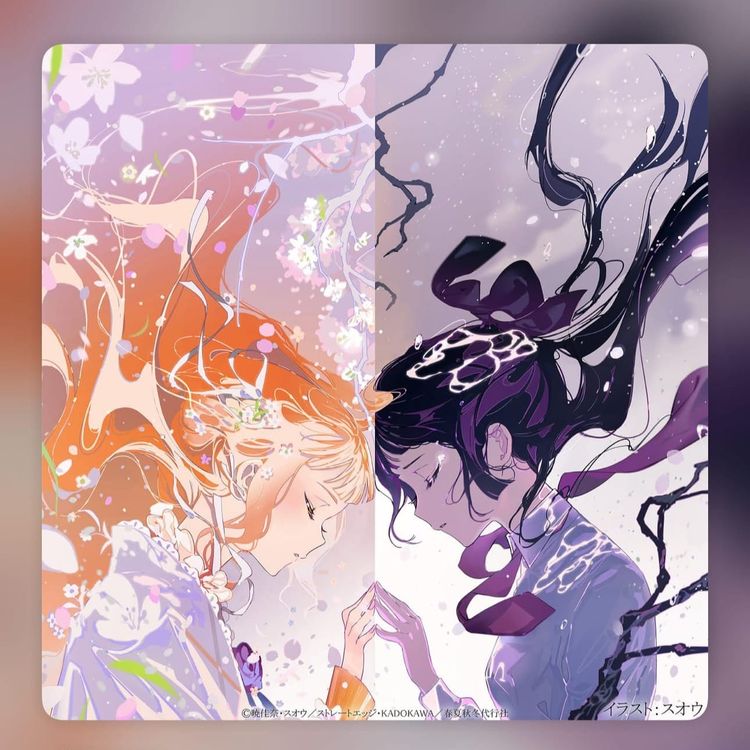
For similar reasons, "Look Back" is a story that panged a loss that I never got over. If you have not seen it, you must. It is a beautiful story with animation that is breathtaking. In one montage, there are moments captured between the two characters that may seem so subtle and simple, and yet, for me, carry such meaning. The story shows time as abstract, neither linear nor finite in moments where the two friends connect; they experience moments, expansive yet also in stillness and passing, as if they have all the time in the world. I've lived those moments with my best friend that at first glance seem insignificant are moments profoundly ingrained in my memories of her. She passed away in 2021.
Dan Da Dan
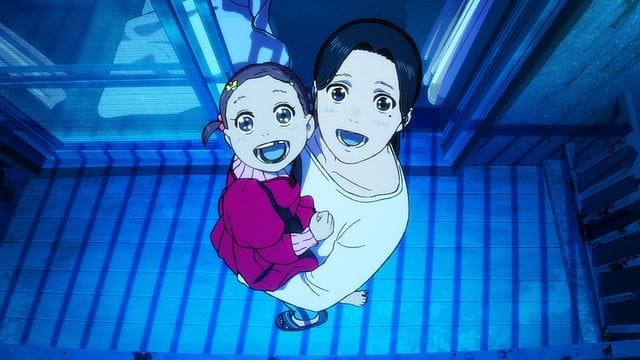
"Dan Da Dan's" season one episode 7, in my eyes, is a great work of art of animation and storytelling. A mother's spirit, haunted by regret and loss, and eternal longing for her daughter, tells the story of her life with her daughter. Another depiction of suicidality, beautifully handled with care and love by those who created her story. I consider this story and the birth of Turbo Granny one of the best depictions of how marginalized characters: in this instance, young girls and young women, femmes in sex work suffer violence from systems and people that benefit from violent systems.
There are many more examples of art that explore the themes above and just like the above are not without critique or the process of interrogating how such visceral themes are depicted; the greater historical and socio-geo-political context of how violence is the foundation of our societal systems in which these characters exist.
With any work of art like anime, manga, donghuas, Hanguk Aeni, theatre, cinema, literature--to love is to move beyond passive consumption--it is to actively engage with the art: who is the focal point? how are they depicted? who is left out? what is the messaging?
and lastly, it is okay to love imperfect art and to want more from the art we actively love.

about yas j.
yas j is a multidisciplinary artist and essayist with a focus on lyrical writing. native to nyc, they connect themes like mourning, grief, connection and meaning making through literary and artistic lens that connects to broader systems and society. they are behind iwritelyrically.studio, fierybraxn.com and thewritejordan.co. they also have a patreon for their free writing and paid art at iwritelyrically.com.
Member discussion