takopi - 2026 anime of the year contender
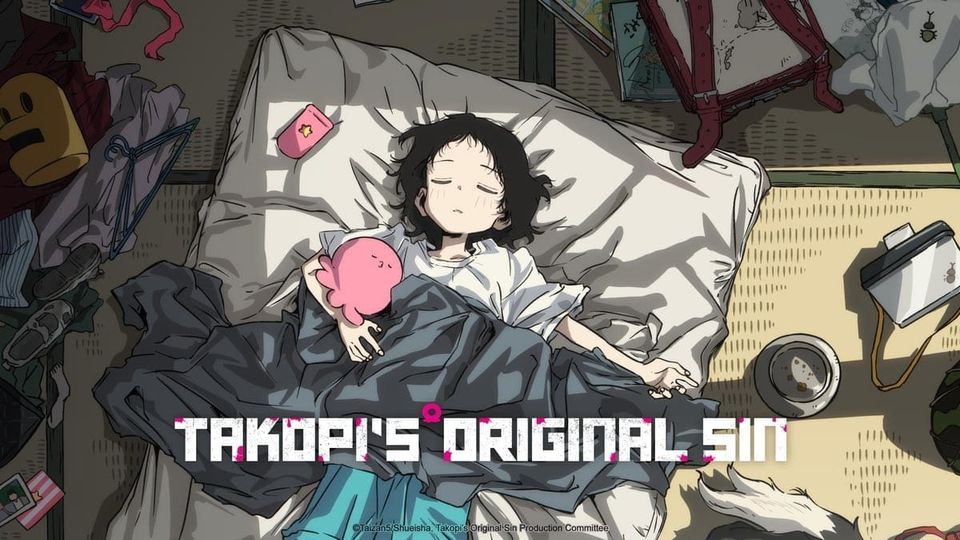
in honor of "takopi's original sin" limited anime series nominated for several Crunchyroll anime awards including anime of the year, below is my love letter and analysis written in 2025 of the anime.
this will be a multi-part series focusing on takopi, tragedy as a vehicle for meaning making, and current reflections on the anime and possibly others with similar themes (i haven't' written this one yet!)
my love letter to Takopi's Original Sin
"To you my dearest, I hope you find what you truly want.” written 2025
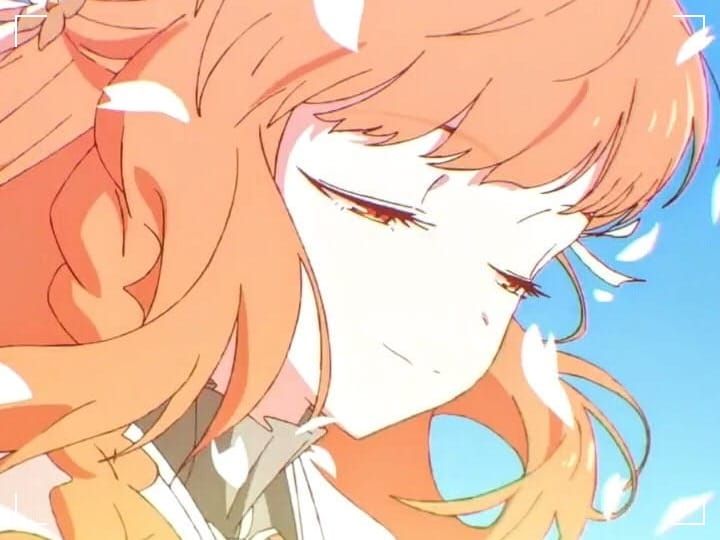
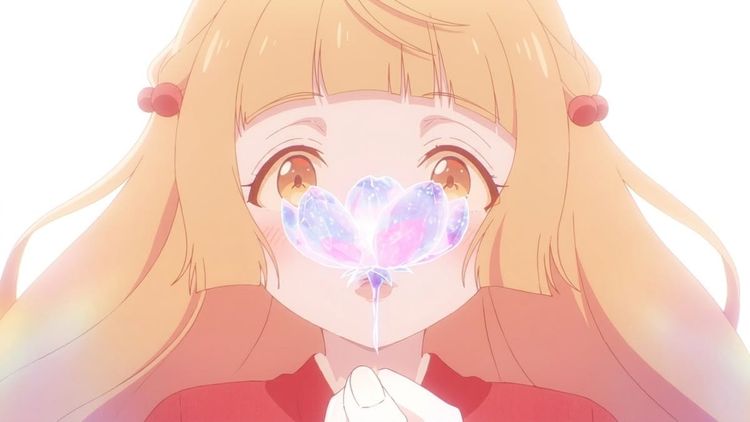
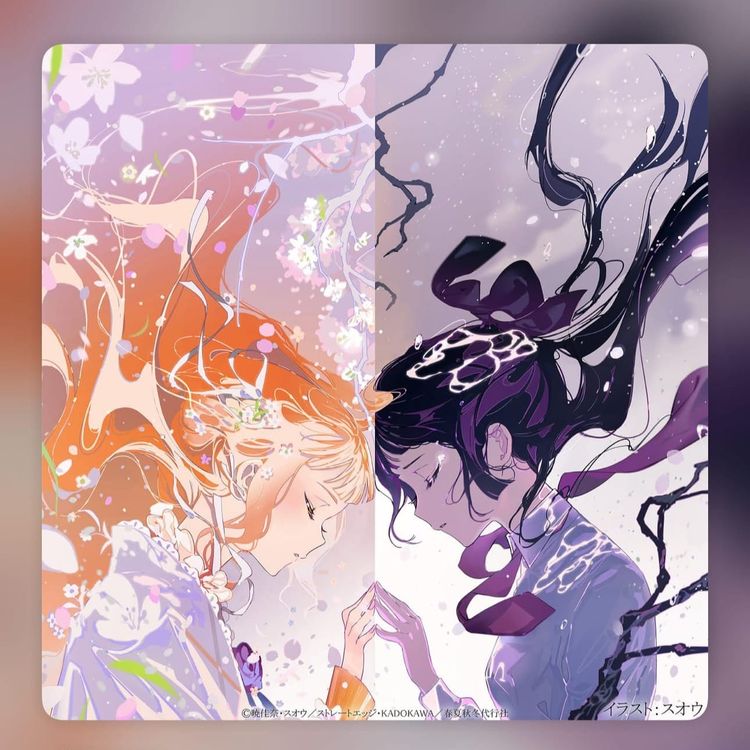
The six episode series that just finished, based on the short critically acclaimed manga, brought to life a story of four characters whose lives intertwined in a 6 year span. With powerful imagery, story, character development, and ultimately, themes that often feel too much for the age of our main characters, it is actually appropriate to explore the themes present in Takopi.
One of the few anime with content warnings about the story, the first warning said that by sharing this story, they are not encouraging harm or death by suicide in any way. I think to cover their bases regarding liability, it is important to challenge the notion that talking about ideation, suicidality encourages it when it in fact, talking about it provides a release for many that experience it.
Suicidality and ideation are often an expression of what we experience when we are further marginalized. Our characters are children experiencing harsh realities, which points to a significant theme and point: children are an oppressed class. Under the control of their parents and guardians, they experience the impact of the choices, actions, and inaction of the adults in their life.
Themes of longing, yearning, belonging, care, love, connection, pain, despair, loss, survival, are enveloped in our characters' journeys as they navigate their survival. Takopi says lovingly to one of our main characters:
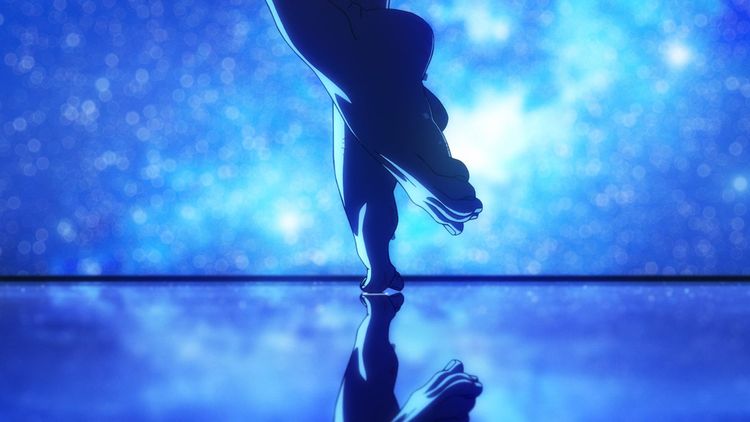
"to you my dearest, I hope you find what you truly want."
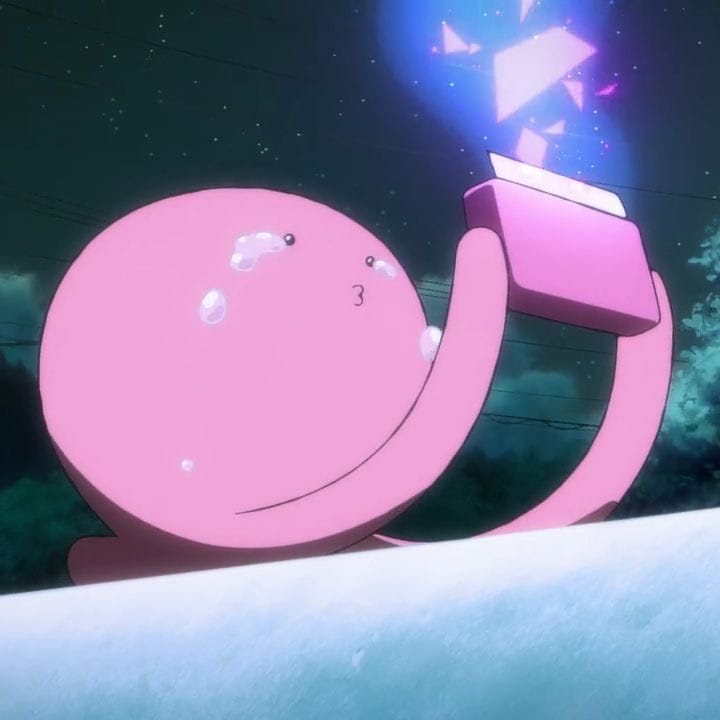
Takopi wants to make others happy. That is their mission; that makes them happy. Over the course of the six episodes, there's a beautiful arc for Takopi where they come to a realization about the experiences of the other three characters.
Watching all six episodes at the end of the week, I found moments, expressions, and phrases that panged memories from those similar moments in my life at those tender ages of childhood and adolescence.
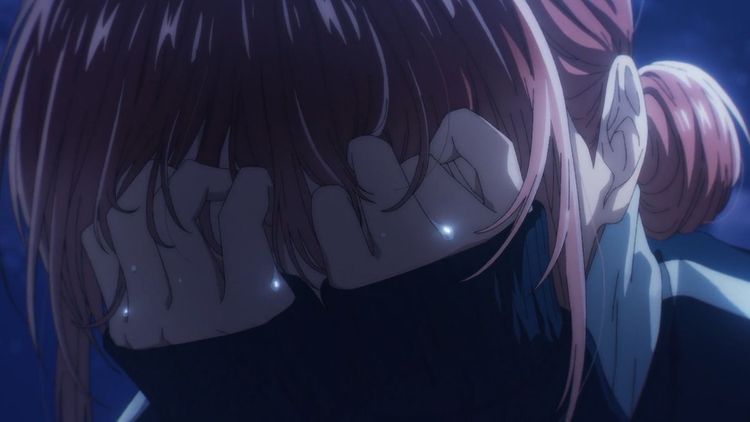
"What am I supposed to do?"'
Children often experience relentless violence from society and interpersonal within community and family systems. It was astonishing to see so many comments on social media where people wrote how much they hated certain characters, how certain characters were perpetual victims, and how certain characters were bad and got what they deserved. I believe in part, because of the visceral reality of how children are impacted by systems and by people within these systems, the way to exercise some semblance of control is reflected through the violence they experience from larger society.
if you like this essay, consider subscribing. it's free and i will share many more essays like this one. subscribe and stay tuned. <3
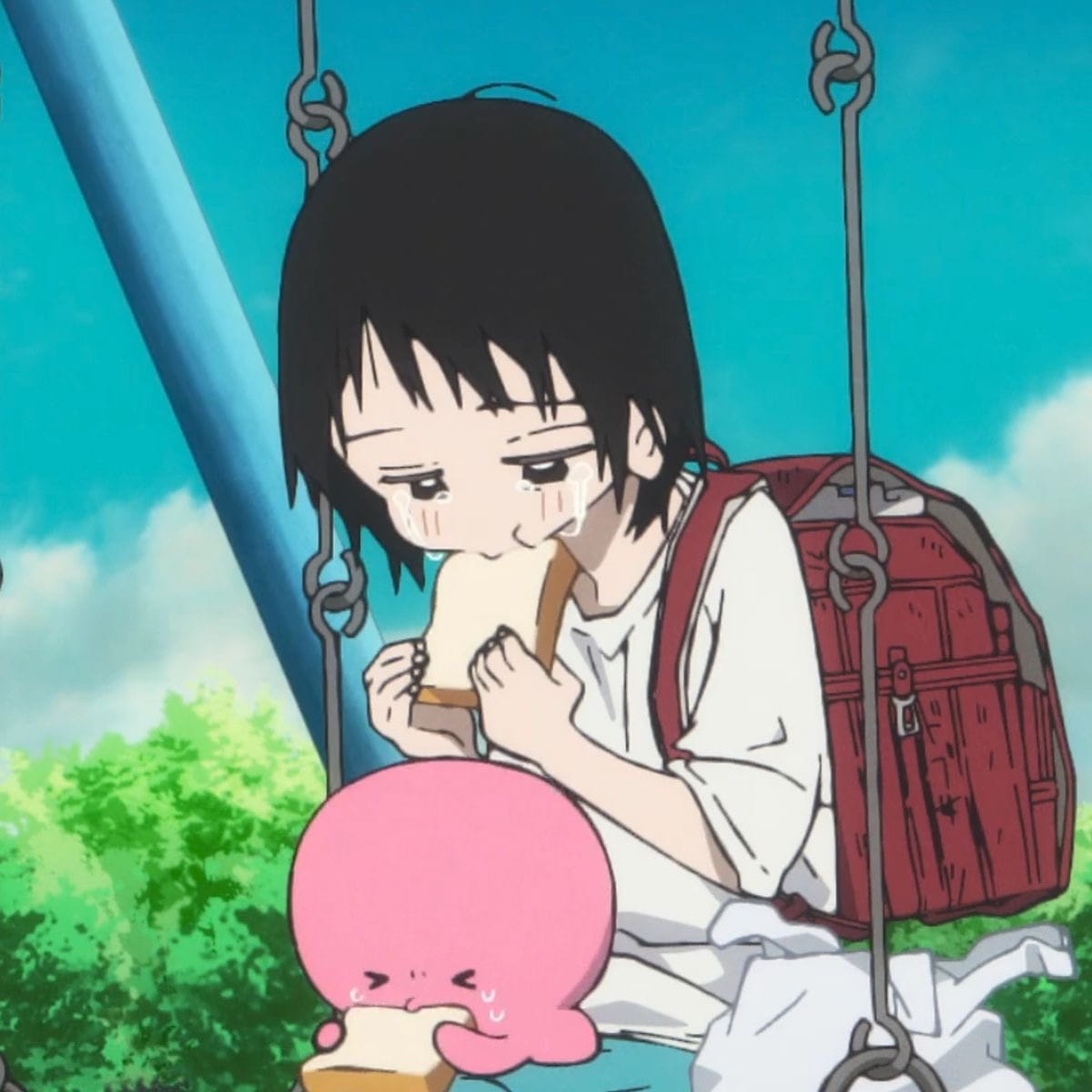
Takopi ignited within me to reflect on my own experiences growing up and also as a young adult, working in violent institutions and systems like schools and programs where the agency and autonomy for young people and children is neither recognized nor respected.
There are other themes Takopi threads seamlessly throughout the six episodes that I think will have many writing, reflecting, and creating because it is so profound and it sparks something within to express something.
Those parts that surface, the feelings that ache to be released, memories that push for a reckoning, the discomfort of what is being reflected to us as viewers: what is it we truly want?
in a society where the most marginalized are the young and vulnerable--I believe society can be safe and loving that grants the wishes and desires of what our dearest children truly want.
about yas j.
yas j is a multidisciplinary artist and essayist with a focus on lyrical writing. native to nyc, they connect themes like mourning, grief, connection and meaning making through literary and artistic lens that connects to broader systems and society. they are behind iwritelyrically.studio, fierybraxn.com and thewritejordan.co. they also have a patreon for their free writing and paid art at iwritelyrically.com.
Member discussion